




We are Not Crazy!
Understand the stigma of mental health and you’ll have a clear perception of how people look at you. Mental Health does not define us, but how we act and how we deal with mental health is what defines us as people. Jeff Yalden shares his story of 25 years of counseling and anger management.
Jeff challenges his audiences to know that we all battle mental health issues in everyday life. You’ll be inspired by how simple Jeff takes mental health and turns it in to a life of gratitude and fulfillment. Dealing with mental health himself has taught him many lessons in life and those lessons, the wisdom, and experiences, Jeff shares with his audiences.
What is the Stigma?
Stigma is when you are labeled or judged due to perception about your illness or disabilities. It’s often seen as a mark of disgrace. People judge you and believe negative stereotypes about you because they think you’re different. This often causes them to avoid, reject, and discriminate against you.
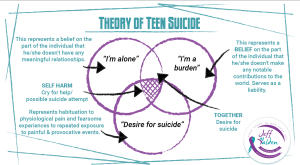 When you don’t understand this then you feel inadequate and worthless. Stigma also exists when you judge yourself, believe negative things about yourself, and feel ashamed because you think you are different than everyone else. You can’t give Stigma the power over your own emotions.
What happens when we don’t deal with the stigma of Mental Health?
It’s a cycle of shame that leads to being silent. Being silent gets into your head and you become self-destructive in attitude and behavior. This not being dealt with could lead to suicidal thoughts or self harm. If one doesn’t get help, this process repeats itself and becomes and endless spiral downward of self-destruction and feelings of inadequacy.
- Stigma starts with shame.
- Shame leads to silence.
- Silence leads to self-destructive behavior and suicide.
- The process repeats and it becomes an endless, downward spiral.